
On Monsters
Banal Nightmare, Sing Sing, I Saw the TV Glow, Bird's Eye, Cormac McCarthy

Banal Nightmare
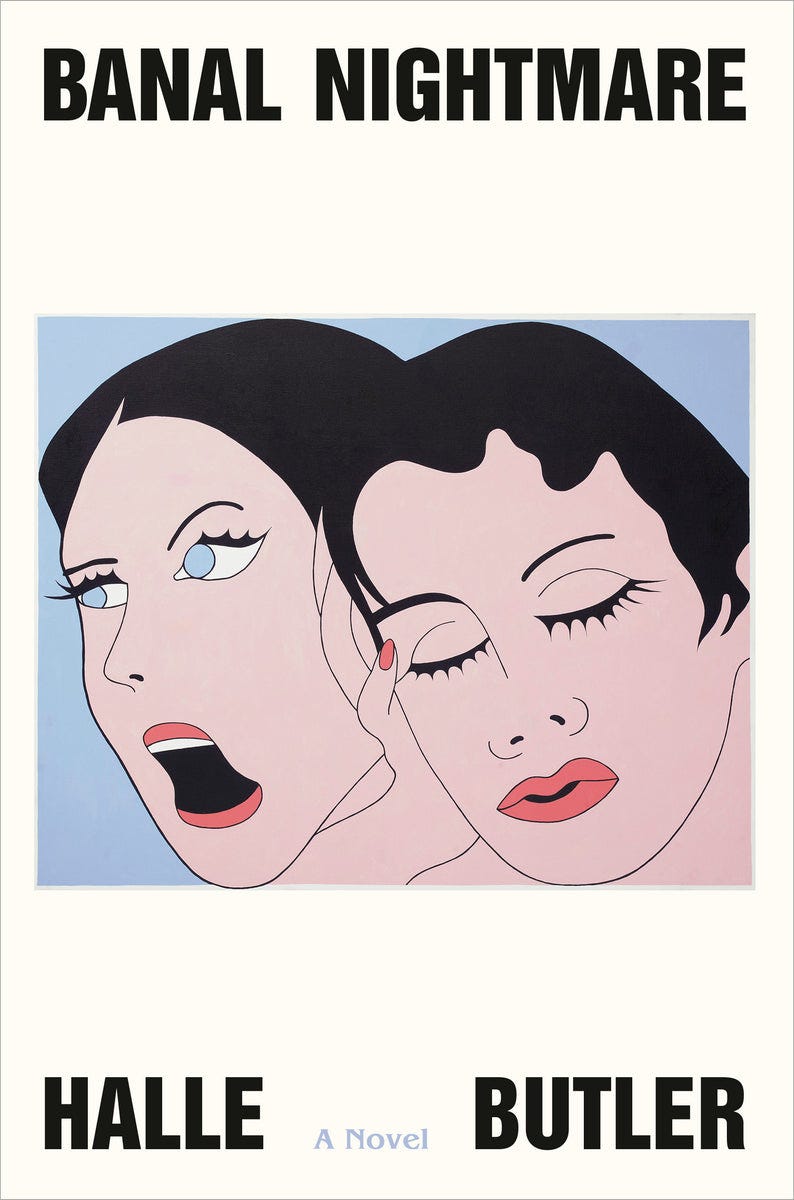
I quite liked Halle Butler’s previous novel, The New Me, though it was honestly a bit of a downer—about 90% of it trapped you inside the mind of an unhappy young woman working a dead end job. It was sharply observed and occasionally funny, but after reading it I wasn’t exactly excited about seconds. I heard that her follow-up, Banal Nightmare, was, if not lighter, then funnier. And it is. The novel begins by plunging the reader into one caustic woman’s very bad mood. Moddie’s relationship has just ended, and she’s moved back to her hometown to figure out what to do with herself. She harbours a lot of anger toward her ex-, for reasons that are at first partially obscured. For the first few chapters we’re simply riding the rocky currents of her displeasure as she goes to parties and kills time in her crummy apartment.
You know when someone is really pissed off about something and they go off on a rant, and the intense spectacle of it is kind of hilarious? That’s what the first few chapters felt like, as I was blasted with the inferno of Moddie’s rage. Then, hilariously and ingeniously, the scope of the novel widens, and we dip into the perspectives of all the people Moddie is interacting with—and most of them are also really pissed off, with their lives and each other. The banality of this nightmare world would be depressing if it wasn’t really funny, full of small town passive aggression and neurosis. The branching of perspective happens while Moddie begins making friends, rebuilding her career, and processing the anger she feels towards her ex; she ends up looking sympathetic and almost sane. Without spoiling too much, the book is ultimately not a downer, pulling out of its protagonist’s tailspin with well-earned grace. It’s my favourite book of the year (so far).
Sing Sing
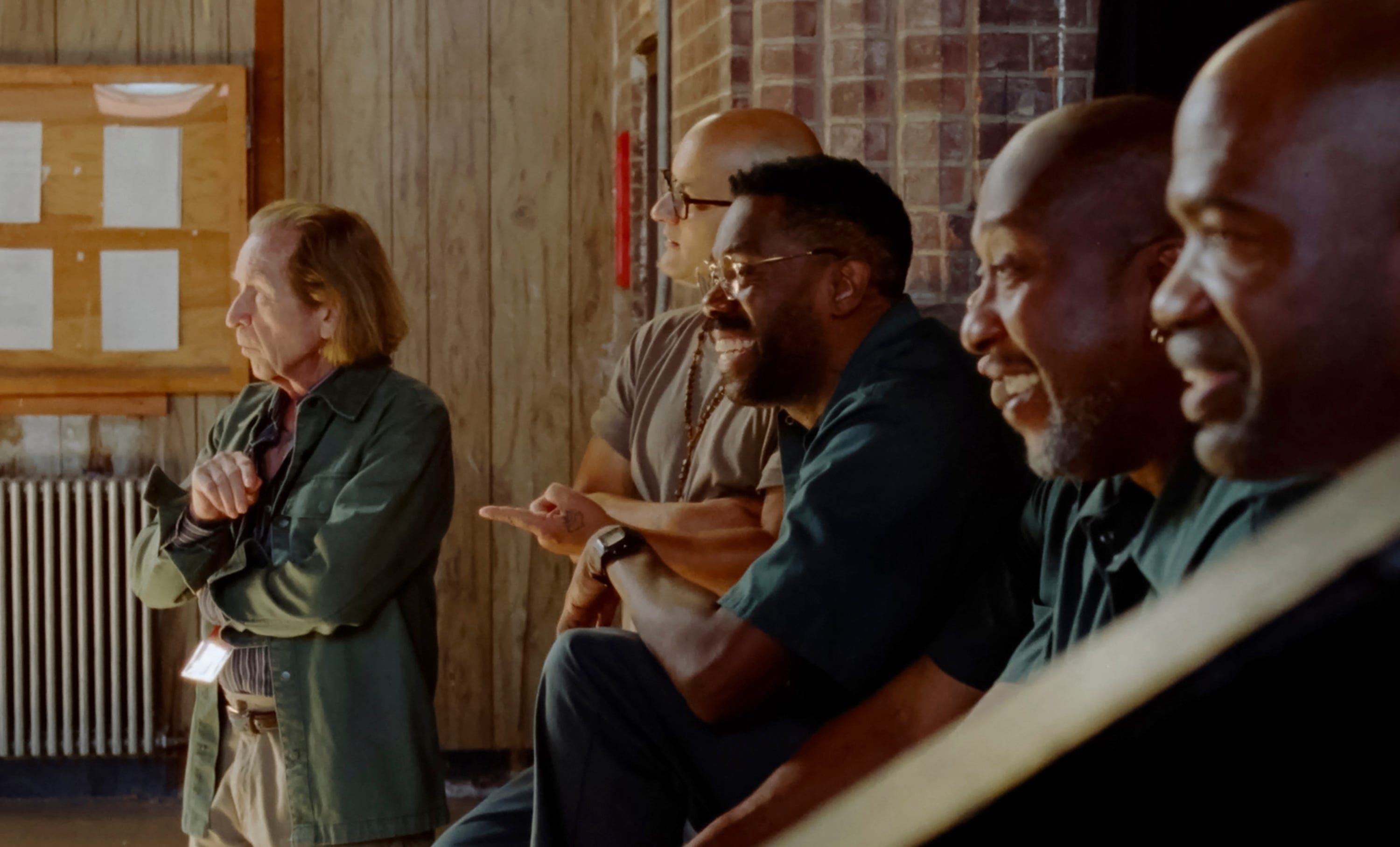
This movie about the humanizing potential of artistic expression could not be more up my alley. I knew it would probably be moving, but I did not expect it to be so beautiful and uplifting. Set inside the walls of the eponymous prison, the premise of Sing Sing is straightforward: the inmate theatre program needs a new actor, and the man invited into it becomes a destabilizing rival to the program’s lead artist, who is serving time for a crime he did not commit. The wonderful Coleman Domingo stars alongside real former inmates, all of whom participated in a “Rehabilitation Through the Arts” program while they were inside. You honestly would not know that these actors are untrained, formerly incarcerated men (I certainly didn’t). Their performances, playing versions of themselves, blend seamlessly with Domingo and the few other “professional” actors cast in the film.
Though a few of the characters display some artistic talent, the play the inmates are putting on honestly doesn’t look very good. It’s a hodgepodge of ideas thrown together over the weekend by the volunteer who runs the program (played by an excellent Paul Raci), meant to give the players parts they will enjoy playing. This is not a movie about artistic excellence. This is a movie about how imagination and creativity can be profoundly beneficial to human life, and how expression is an end in itself—a way to reconnect us with the malleability of our identities and the joy of playing with others.
Prison dramas tend to be brutal and ugly, because that’s what prison in most of the world is like. Sing Sing doesn’t focus on the violence, addiction, mental illness, and abject dehumanization prisoners experience, but on the success of this real life amateur artistic practice to reconnect prisoners with the parts of themselves that make life worth living, leaving the door open for social reintegration once they are released. Drama, specifically, helps them transcend the idea that they are monsters unworthy of dignity and compassion, and offers freedom and joy in a place designed to rob them of it. It does all this without feeling preachy, and while acknowledging the despair that threatens to overwhelm those living behind bars. You also may not find a more sincere story of male friendship on screen this year. Domingo isn’t a huge star yet, but he is becoming one and I hope that brings more people back to this wonderful movie.

I Saw The TV Glow
This gently spooky art film, directed by Jane Schoenbrun and shot by Eric K. Hue, looks absolutely stunning. I saw it many months ago and still think about it. The music in this movie: also incredible. The mood and vibes—off the charts good, conjuring Buffy the Vampire Slayer via Twin Peaks. It’s a 90s Lynchian psychodrama about a pair of teens who develop an obsession with a low-budget young adult horror show called The Pink Opaque, which may or may not literally exist in a parallel reality. The villain on the show is named Mr. Melancholy, and while never explicitly addressed, the movie is using its kids TV signifiers to explore the way pop-culture connects with people seeking to understand their gender (Schoenbrun herself is trans). Do not go to this movie expecting an after school special, despite some stylistic nods to the kind of 4pm programming you might have watched as a teen. It’s a dreamy, enigmatic film, with exquisite visual texture and locked in performances by its two leads, Justice Smith and Brigette Lundy-Paine. Also Fred Durst, the lead singer of Limp Biscuit, has a small role.
Ravyn Lenae’s Bird’s Eye
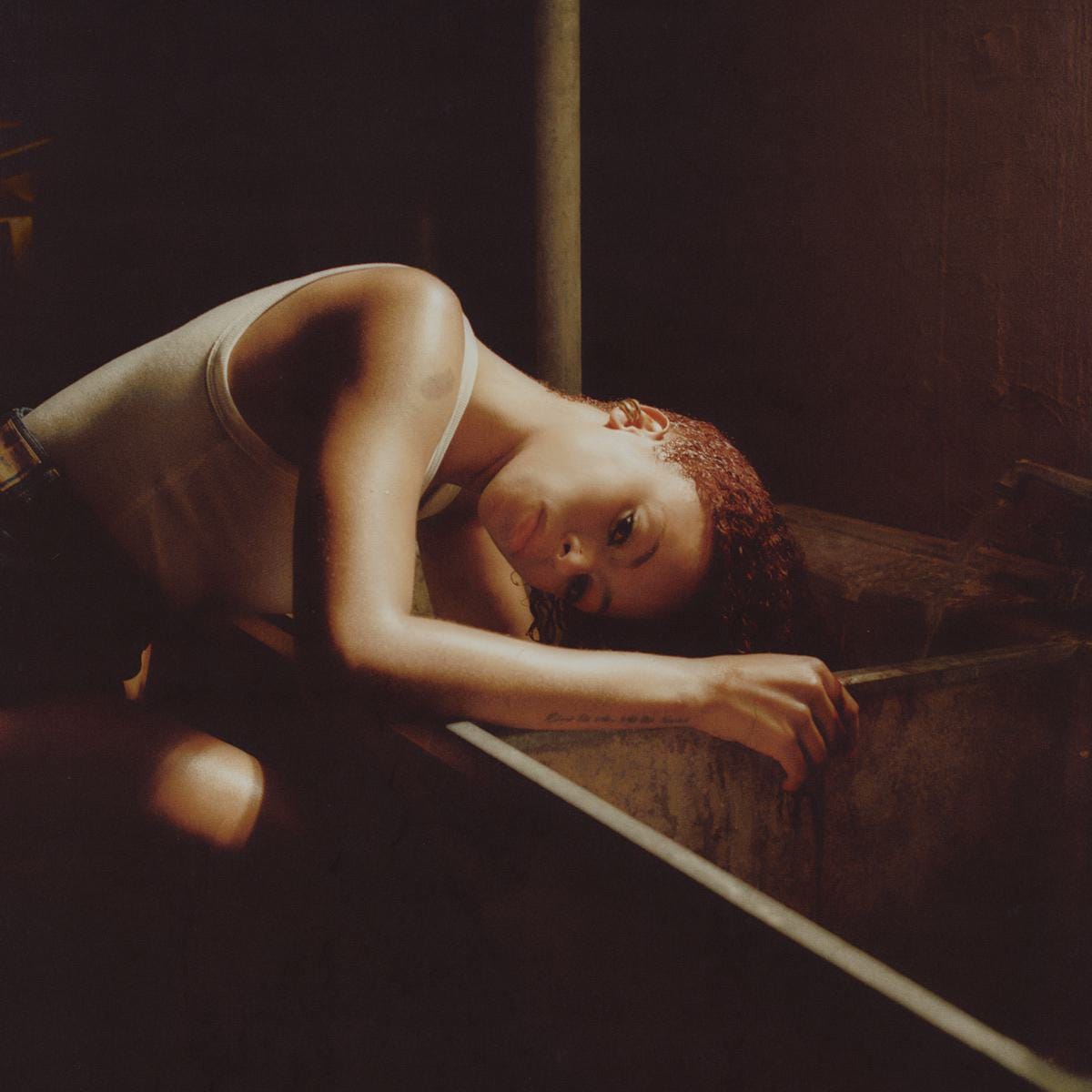
Ravyn Lenae has really come into her own as an artist with Bird’s Eye, a light, sweet, creamy dessert of an album. These songs are catchy as hell, smoothly integrating R&B and soul from the present and last three or four decades. I think it’s one of the most consistent records I’ve listened to this year, and the kind that I’ll often play again as soon as it’s finished. As a vocalist Lenae has a high, soft coo that floats above the samples, guitar licks, synths, and silky bass lines. Her rhythm section, in particular, is doing wonderful work (see the “Billie Jean”-esque beat on opener “Genius”).
Cormac McCarthy
This is shaping up to be quite a year for my favourite dead authors. First there was the news that Alice Munro was married to a known pedophile, and now Vanity Fair has published a wild profile of Augusta Britt, who began a lifelong relationship with a 42-year old Cormac McCarthy (The Road, Blood Meridian) when she was 16 years old. The floridly written article offers a number of revelations about McCarthy’s fairly pathetic private life while doubling as a mini-biography of Britt, who seems to have led an extraordinary life of her own, surviving childhood abuse within her family and in foster care, running off to Mexico with the then-unknown (and married) novelist, breaking his heart (or, less generously, escaping his control), and becoming a life-long confidant and the muse for many of his major works.
If you’ve read any McCarthy you may not be entirely surprised that he lived in his own moral universe. Part of what’s so bracing about his writing is the utter bleakness and violence of the world he represented. It sounds like young Britt had direct experience with the stuff McCarthy depicted in his fiction, and survived it with great resourcefulness. That so many of her experiences constitute the beating heart of McCarthy’s characters is really quite astonishing. Maybe less astonishing is the sense that McCarthy seemed unbothered by the dubious morality of their relationship, or with the extensive exploitation of Britt’s personal stories for his writing career. While McCarthy is dead and unavailable for accountability, the article does paint a picture of McCarthy’s last decades spent famous, rich, drunk, and alone, while Britt remains alive and kicking on her horse farm.
I suspect this revelation won’t cause as much handwringing as the Munro story from earlier this year, especially given that Britt’s feelings about her experience with McCarthy are on the whole positive and, let’s face it, because no reader would have thought to go to McCarthy for moral guidance or validation. I’m no longer surprised when any artist (or person) is revealed to be capable of deranged and immoral acts, but I’m especially not surprised when it’s the man who wrote The Counsellor.